
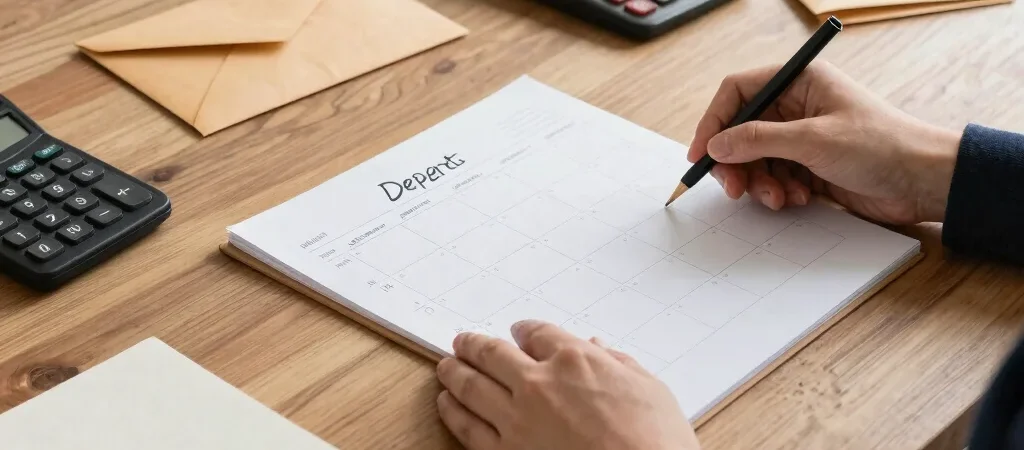
When income arrives in uneven amounts, a large deposit can be tempting to treat as spendable money. But some of it may already belong to next week’s rent, a utility bill, or a tax payment. Giving each deposit a job before spending from it can make the month easier to navigate.
Start with what is due
Check the dates and amounts of expenses due before your next likely deposit, then reserve money for the most time-sensitive essentials. Housing, utilities, food, transportation, and minimum debt payments often need early attention, though each household’s priorities differ. Use actual due dates rather than assuming every bill can wait until the end of the month.
If you work for yourself, account for business costs and tax obligations before deciding what counts as personal spending. The right amount depends on your circumstances, so keep records and seek qualified tax guidance when you need it. A deposit is not necessarily the same as take-home income.
Use a repeatable order
A practical sequence is to cover bills due soon, set aside money for required obligations, fund near-term essentials, and then decide what can go toward savings or flexible spending. The amounts will vary, but using the same sequence each time prevents a strong deposit from swallowing money needed for a known bill. Write down the allocation so you can see what remains available.
For example, if a payment arrives just before rent and a car insurance bill, reserve those amounts first instead of splitting the deposit evenly across every category. If the deposit is smaller than expected, the same list helps you identify what needs a phone call or a spending adjustment. It does not make a shortfall disappear, but it clarifies the next decision.
Leave room for timing gaps
A client payment or shift schedule can change, so avoid assigning money that has not arrived to bills that cannot wait. As you are able, build a small buffer for the gap between deposits and due dates, keeping it separate from everyday spending. Even a partial buffer can help you plan around what comes in instead of relying on a hoped-for payment.